
Sunday, February 12, 2012


Thursday, February 9, 2012
Monday, February 6, 2012
Music of Costa Rica
By Costarica.com
Music is an integral part of most Latin American cultures and Costa Rica is no exception.
Costa Ricans enjoy Latin,American and British contemporary rock, and have a special affinity for tunes from the 70's and 80's. However, when it comes to dancing, most prefer the traditional Latin rhythms of salsa, merengue, cumbia, lambada and so ca.
On the weekends, discos and dance halls are packed, as the typically conservative locals let loose and flirt wildly while dancing the night away.
Costa Rica is home to a diverse musical scene. From classical to calypso, music is everywhere-in the streets, homes, restaurants, bars, discos and theaters.
Classical Music
The Orquesta Sinfonica Nacional has received international acclaim under the direction of its current conductor, Chosei Komatsu, and is considered one of the major orchestras of Latin America. San Jose's National Theater hosts a variety of concerts, from classical guitar to solo pianists and grand symphony orchestras.
Other venues of interest include the Teatro Mozart and the Costa Rican and NorthAmericanCultural Center.
Folk Music
The African-derived marimba is a very popular instrument in Costa Rican folk music. Groups like Cantares bring authentic Costa Rican folk music to the world. As they come across interesting stories, recipes, nicknames, anecdotes, tongue twisters and old customs, they transform them into the most genuine form of Costa Rican folk music.
Jazz
Several jazz cafes and restaurants in and around the Escazu and San Jose area are excellent options to watch new musicians play acoustic and jazz sets.
Calypso
On the Caribbean coast, the music is rooted in African rhythms with steel drums and reggae beats. Calypso is a particular style of Afro-Caribbean music which originated in Trinidad with slaves who used the music as a means to communicate and tell stories. Walter Ferguson of Cahuita,Costa Rica is a popular Calypso musician. His songs include anecdotes about his childhood in poverty stricken Panama and are an excellent illustration of Afro-Caribbean culture.
Contemporary Costa Rican Musicians
Malpais is a Costa Rican band that blends traditional folk music with contemporary rock and jazz, to create a unique sound that is popular with all ages. Their music reminisces about Costa Rican small town life and denotes a general longing for the past.
Read the full story on Costarica.com
Thursday, February 2, 2012
Colorful Costa Rica
By Ecology.com
Overtly aware of the many Crayola-colored poisonous frogs crouched in the corners of the shed, I hopped on one foot trying on rubber boots until I finally found a pair that fit. The size of a thumbnail, these tiny creatures are actually only toxic if you ingest them, and I was not into kissing any frogs that day. But I could have: the dendrobatids were just adorable – and rare, as they’re critically endangered due to habitat loss and pollution.
EcoTourism Pioneer
The mere presence of these rainbow-splashed amphibians at Costa Rica’sSelva Verde Lodge testified to the measures this award-winning establishment has undertaken to protect and maintain this fragile ecosystem over the past three decades. Deep in the lowland rainforest two hours north of the capitol city of San Jose, Selva Verde Lodge is a true pioneer in the ecotourism business.
 The Selva Biological Corridor preserves 500 acres of unique flora and fauna. Photo Betsy Crowfoot
At the time the lodge was founded, Costa Rica’s entire Atlantic coast to central valley was a sweeping expanse of rainforest. Now just a smattering of farms, reserves and plantations remain, supplying the needed swathes of natural habitat that allow wildlife to migrate and maintain optimal biodiversity. Selva Verde oversees a vital part of theSan Juan–La Selva Biological Corridor, and we had the opportunity to explore a portion of it on a naturalist-led hike when we arrived. Donning thick rubber boots (to protect us from stinging and biting creatures), we breathed in the fresh jungle air as we trekked over suspension bridges, along a rushing stream, and beneath the sigh of the canopy. Our guide pointed out the unique characteristics of nearly every living thing, and how it thrived amidst the roughly 500-acre Preservation Area. Sustainability
 Sustainable tourism includes a chocolate tour where you make your own hot cocoa. Photo: Betsy Crowfoot
The resort proves a tranquil destination for all ages and abilities. Accommodations are clustered in understated wooden structures connected by a series of covered walkways (which are peppered with giant water dispensers – to eliminate the use of plastic bottles). Wrap-around balconies hung with colorful hammocks allow for relaxing days; oversized screened windows let the cool air in at night – along with the boisterous calls of marauding howler monkeys. Selva Verde was awarded Costa Rica’sCertification for Sustainable Tourism(CST) for the implementation of water conservation and wastewater management systems, energy conservation, the use of biodegradable laundry and cleaning products and maintaining the grounds without the use of chemical fertilizers, pesticides or herbicides. The lodge also controls excessive noise and light pollution to limit the effects on wildlife and the environment.

Read more about colorful Costa Rica on Ecology.com
Overtly aware of the many Crayola-colored poisonous frogs crouched in the corners of the shed, I hopped on one foot trying on rubber boots until I finally found a pair that fit. The size of a thumbnail, these tiny creatures are actually only toxic if you ingest them, and I was not into kissing any frogs that day. But I could have: the dendrobatids were just adorable – and rare, as they’re critically endangered due to habitat loss and pollution.
EcoTourism Pioneer
The mere presence of these rainbow-splashed amphibians at Costa Rica’sSelva Verde Lodge testified to the measures this award-winning establishment has undertaken to protect and maintain this fragile ecosystem over the past three decades. Deep in the lowland rainforest two hours north of the capitol city of San Jose, Selva Verde Lodge is a true pioneer in the ecotourism business.
 The Selva Biological Corridor preserves 500 acres of unique flora and fauna. Photo Betsy Crowfoot
At the time the lodge was founded, Costa Rica’s entire Atlantic coast to central valley was a sweeping expanse of rainforest. Now just a smattering of farms, reserves and plantations remain, supplying the needed swathes of natural habitat that allow wildlife to migrate and maintain optimal biodiversity. Selva Verde oversees a vital part of theSan Juan–La Selva Biological Corridor, and we had the opportunity to explore a portion of it on a naturalist-led hike when we arrived. Donning thick rubber boots (to protect us from stinging and biting creatures), we breathed in the fresh jungle air as we trekked over suspension bridges, along a rushing stream, and beneath the sigh of the canopy. Our guide pointed out the unique characteristics of nearly every living thing, and how it thrived amidst the roughly 500-acre Preservation Area. Sustainability
 Sustainable tourism includes a chocolate tour where you make your own hot cocoa. Photo: Betsy Crowfoot
Primary to Selva Verde’s sustainability goal is maintaining a vibrant future, not only for the wildlife, but also for the people of the Sarapiqui region, so their programs incorporate adventures and education for visitors. Guests can enjoy the lowland jungle via horseback or zip line; raft the tumbling Sarapiqui River; or hike through a cacao plantation as we did – and make hot chocolate from scratch. In addition, resident naturalists are on site to lead talks on traditional curative uses of rainforest flora, conservation projects or wildlife. And wildlife abounds, from the miniscule poisonous frogs (and other non-toxic species) to monkeys, vipers and ants the size of walnuts. Relaxing at the pool, I stirred at the sound of a peculiar ‘Whomp! Whomp! Whomp!’ overhead and realized it was the awkward flight of the Toucan. Nearby, giant iguanas leapt from tree to tree. Selva Verde Lodge boasts refuge to ‘300-plus species of birds, 120 species of mammals, numerous amphibians and reptiles, and countless invertebrates’ all told. Swaying over the Sarapiqui River is one of the world’s longest suspension bridges. Photo Betsy Crowfoot
 Swaying over the Sarapiqui River is one of the world’s longest suspension bridges. Photo Betsy Crowfoot
The resort proves a tranquil destination for all ages and abilities. Accommodations are clustered in understated wooden structures connected by a series of covered walkways (which are peppered with giant water dispensers – to eliminate the use of plastic bottles). Wrap-around balconies hung with colorful hammocks allow for relaxing days; oversized screened windows let the cool air in at night – along with the boisterous calls of marauding howler monkeys. Selva Verde was awarded Costa Rica’sCertification for Sustainable Tourism(CST) for the implementation of water conservation and wastewater management systems, energy conservation, the use of biodegradable laundry and cleaning products and maintaining the grounds without the use of chemical fertilizers, pesticides or herbicides. The lodge also controls excessive noise and light pollution to limit the effects on wildlife and the environment.

Read more about colorful Costa Rica on Ecology.com
Tuesday, January 31, 2012
The Future of Costa Rica: Leading Biofuel Production
By Jaz Chopra for the Costa Rica News

Renewable Energy Farms are by no means a new concept, what is new however, is their rapid growth in some of the world’s most naturally abundant locations. Based upon the ideals of the above concept, Multi-purpose Real Estate is the latest project to incorporate environmental productivity with economical benefit. The company offers a potential buyer a chance to not only be owners of a self-sufficient piece of property but also offers them an opportunity in making their contribution to reducing green-house gas emissions. With added bonuses of providing local farmers with further work and helping promote a healthier lifestyle choice, property owners would own a share in a global movement. Ultimately, the question that needs answering is, what has given rise to this sudden demand for this industry? Based on EU regulations of ensuring 10% of all fuel at European pumps being biodiesel by 2020, governments in other countries are becoming increasingly open to the idea!
Central America is the ideal location for projects of this nature as there is a demand for emerging markets particularly in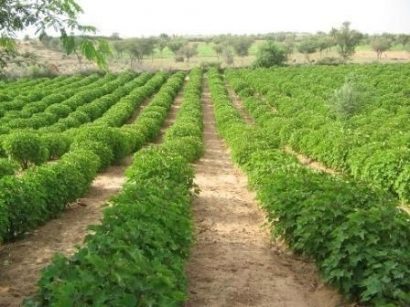
Michael Klein, Chief Development Officer for UBA was quoted stating that “Multi Purpose Real Estate is one of the newest and most promising programs that we have launched in this initiative. Essentially we offer investors that are already in or will be entering land banking market in Central America, the ability to turn land that would be otherwise sitting unused into a Bio-oil Field that generates income while their land continues appreciating.” Summarizing the project to a tee, the concept has a USP (unique selling point) that would capture the imagination of many prospective buyers.

One could potentially argue the ‘what’s the catch’ aspect of the project but the reality of it is that there isn’t one! Buyers are entitled to opting out at any time by selling their land on and following a 5 year agreement will be permitted to build on the property.
Now is the time to invest in the biofuel market for analysts predict a doubling of biofuel prices in as little as 5 years time! From an investment point of view, the current attraction is the substantial amount of return the buyer receives in the long term. With fuel resources estimated to run out during our lifetime, biofuel is the biggest investment out there. With fossil fuels fast depleting, biofuel production takes the lead. Costa Rica provides the biggest asset of the all, the crops themselves. Jatropha Curcas is a native crop originating in a town called Tempate. Exported in the 1700s, this plant has many extra uses pertaining to medicine, cosmetic surgery, latex and glycerin based products. Additionally, Costa Rica’s close proximity to major U.S cities, a stable government and currency and less stringent bureaucracy laws have made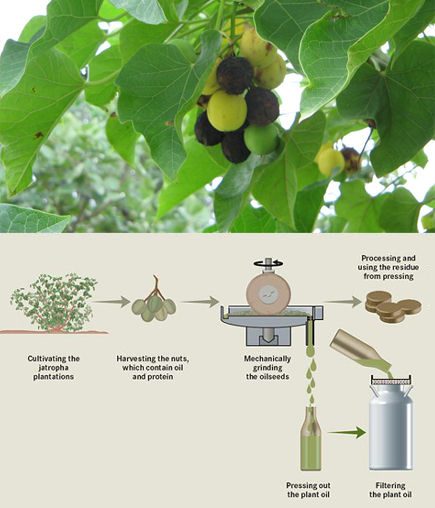
Foreign buyers’ share the same rights as local citizens, making the actual process of buying fairly hassle free. That aside, having outlined all the successes of this project, it would only seem fair to consider the potential risks involved. Though few and improbable, it is important to understand that almost every element of life carries risk. With regards to failures of the project, the two biggest issues MPRE (Multi-Purpose Real Estate) is faced with are that of natural disasters and the incompletion/ suspension of the new international airport construction. If the new international airport creation was to be deferred or cancelled then land value around the area would not appreciate as much. Similarly, if for reasons of natural disaster, a hurricane was to destroy the crops, then land will be damaged and productivity would come to a standstill leading to property value loss.
The purpose of this article is to make the public aware of such projects by highlighting their benefits and discussing their potential risks. If this article has provoked an urge to know more about such initiatives then logging on to www.costaricainvest.ie and reviewing some of the information about Renewable Energy farms will provide you with more of the answers you are looking for.
Photos from JatrophaWorld.org
By Jaz Chopra for the Costa Rica NewsThursday, January 26, 2012
Customs & Etiquette


Greetings
It is common to say hello and goodbye to friends and acquaintances with a light kiss on the cheek – or an air kiss accompanied by a kissing sound. Note that women kiss women and women kiss men, but men do not kiss men; instead, they either shake hands or give each other a one-armed hug. In formal or business settings, a firm handshake is the typical greeting.
Timeliness
Costa Ricans are famous for observing Tico time, known locally as "la hora tica." Costa Ricans habitually arrive late, often by 30 minutes or more, to dinner, appointments, and get-togethers – anything but the movies or the appointments at the public health clinics, for which they line up hours in advance. Many Costa Ricans do not view late arrivals as rude – and their tardiness is not meant to offend – so it's best to adjust your expectations and tell your friends to arrive earlier than you'd like.
Similarly, the word "ahora," which is Spanish for "now," means "later" or "tomorrow" in Costa Rica. If someone tells you they'll meet you "ahora" or are leaving "ahora mas tarde," it's best to clarify exactly when you'll see each other.
Gender Issues
Costa Rican culture is historically machista, or male-dominant – similar to 1950's America. For example, women traditionally take care of household chores, while men strive to be the breadwinners. Women are expected to dress nicely and wear makeup, and men don't hesitate to show their appreciation with whistles and verbal compliments. Machismo has also fueled relationship infidelity; taking (and flaunting) a mistress was once considered a source of pride.
However, Costa Rica has changed over the last several decades. While machismo and gender differences still exist, sexism and gender inequality are no longer as acceptable as they once were. Infidelity is mostly kept behind closed doors. Women often work outside the home, earning salaries equal to their male counterparts. However, Costa Rican men still appreciate female beauty, and they don't hesitate to show it. Women, try not to be offended if a man stares at you, whistles or tries out a pickup line; in most cases, these behaviors are harmless and are meant as a compliment.
Non-Confrontation
Costa Rican culture is very courteous, and confrontation and accusations are usually considered impolite. It's uncommon for a Costa Rican to get angry in public, even when complaint is warranted. In fact, Costa Ricans are taught from a young age to protest peacefully, and civil unrest is almost always expressed in planned, organized marches.
Additionally, most locals are loath to say no, instead promising "maybe." Keep in mind that a maybe is not an attempt to lie or mislead; it's simply the Costa Rican way of not hurting a friend's feelings. To blend in, try not to stir the pot or get offended when a maybe turns out to mean no; just adjust your expectations and interpret "puede ser" the way a Costa Rican would.
Dress
Costa Ricans take pride in their appearance and dress well. In business situations, both men and women dress formally but not as conservatively as in North America. Outside the office, men and women dress informally, although casual dress in Costa Rica is fancier than you might expect. For example, men rarely wear shorts except at the beach, and women's jeans are often accompanied by stiletto heels and heavy makeup. Women of all sizes wear very tight and revealing clothes – bras are often color-coordinated to match an outfit's accessories.
Taboos/Unacceptable Behavior
Costa Rica is a Catholic country, and religious values are respected, if not always observed. Topics such as pre-marital sex, abortion, and gay marriage are generally avoided. Costa Ricans are very polite, so be sure not to put your feet on furniture; always say please and thank you, and try not raise your voice in anger, at least in public.
Typically, small towns and rural areas are more conservative than big cities, especially those in the Central Valley. Beach towns, which are frequented by tourists and expats, are also more liberal than other parts of Costa Rica. The best tactic is to err on the side of caution at all times, or at least until you have discovered what behavior is acceptable in your town.
Gift Giving
Giving gifts is common practice in Costa Rica. Presents are exchanged on Christmas, Father's Day and birthdays, and Mother's Day is one of the most important gift-giving holidays of the year. It is also appropriate to take a bottle of wine to a dinner party, or give flowers to celebrate any occasion. Avoid lilies, as they are usually reserved for funerals.
Monday, January 23, 2012
Fun Facts about Costa Rica
By The Real Costa Rica
- In Costa Rica, it is not uncommon to give coffee to babies (in their bottle, with milk) and to young children. I found
this astonishing! Having had the “pleasure” of a two year old a few times in my life, I simply could not imagine a two year old on espresso!
- MANY Costa Ricans use their credit cards for everything. What so I mean by everything? Well… a newspaper, a candy bar, a pack of gum, etc. I means things as low as just pennies in cost! It is truly bizarre to be in line behind a Tico and watch him whip out his card to make an eighteen cent purchase.
- MacDonald’s, Burger King and all the others have HOME DELIVERY in Costa Rica! This is not a good thing if you are on a diet.
- Ticos are short statured people in general. Therefore, chairs, couches etc are built about 6-8 inches (sometimes more) lower than furniture say from the USA. If you are tall, you will find that the act of just getting up is an effort. If you have a…ummm… a weight issue as does this writer, it is handy to have a helper nearby!
- Cigarettes are only about $1.20 per pack. Another thing to place under the ‘not good’ category.
- Naming conventions are very different here. Children take their father’s name, but add their mother’s maiden name to their full name. So when you see a name on a business card like Carlos Jose Gomez Guzman, this persons name is Carlos Gomez and the Guzman is his mom’s maiden name. Often this is abbreviated as an initial thus: Carlos Jose Gomez G. or even more commonly, Carlos Gomez G.Costa Rican women do not take their husband’s last name. The woman uses her full maiden name for life. No
changing of national ID cards, drivers licenses, etc. She also adds her mother’s maiden name.Rarely now, women WILL use the old Spanish naming convention and add a “de ” and her husband’s name. Thus, Maria Gomez when she marries Carlos de la Torre, will become Maria Gomez de La Torre.This system does not work well with most North American names, especially ethic names and would be as dumb as all that hyphenating malarkey in the USA. Imagine Doris Kaspinski de Czezniekevich?
- If you should die while here, you are buried here on the same day you die… no embalming… nada. They just plant you! Everyone looks to see your obituary on TV several times per day! (This can occur easily if you buy the cheap cigarettes and have your Big Macs sent to the home!).
- There are few street signs in Costa Rica and even fewer addresses. Read that as almost none. Just about all
addresses are in terms of a well-known building or landmark; often the local Catholic Church, cemetery, or another fixed location. But just to keep things interesting, some addresses are phrased in terms of building that may have burned down 20 years ago! Also, when you see an address that says 200M west of something, that normally means 2 blocks and NOT a true 200 meters. Now is a good time to read about driving in Costa Rcia.
- Diet Pepsi here tastes better than Diet Coke.
- Instead of saying “my other half”, Ticos often refer to their significant other as their “media naranja” or the other half of their orange.
- Many (honey) bees in Costa Rica are of the Africanized variety i.e. killer bees. The older species were bred out years ago.
- Tangerines are called mandarins (mandarines) here. Limes are limónes. And you can’t buy lemons here… or at least I have never seen them. So, if you want a lime, ask for a limón (lee-moan).
- Candy and cookies manufactured here are to Tico tastes and have a LOT less sugar (and maybe fat) and thus a lot less flavor. If you have a sweet tooth, it can still be satiated as nearly all the popular candy from the US (I am a Snickers freak), is available. However, if you’re a cookie lover, your pretty well outta luck. Not much available except Oreos and a handful of others.Also, non sugary drink mixes like Crystal Light are not available, so if the Crystal Light folks read this, I would like Lemonade, Grapefruit, Orange, and Citrus Splash please!
- Locks (houses, gates, etc.) in Costa Rica almost always work (turn) backwards.
- We say in English “She had a baby” or She just gave birth”, but in Spanish they say, “Ella dio a luz” or translated,
“She gave light.” Cool huh?
- Want another one? Bienes raices is the word for Real Estate. Bienes means property or possessions and raices means roots. So there you have “property roots!”. Gives meaning to the expression “laying down roots”.
- Front doors of almost all commercial establishments almost always open INWARDS. This is against every fire code in the USA, but here, perhaps because they have never had a tragedy in which hundreds died because the door could not be opened outwards, there is no such code. As you have become “programmed” to Pull when entering and Push when leaving, plan to feel silly as you tug or push in the wrong direction.
- If you go to the immigration office for any reason or to the police station for fingerprinting (as part of your residency), do NOT wear shorts! They will turn you away! Shorts are considered disrespectful. Update 2009!
- There are Bullfights in Costa Rica, but the bull is never hurt and often, the bull wins! I love payback!
- Milk, eggs, and many other items that you have been trained all your life to refrigerate, are available off the shelf (un-refrigerated) at almost every super market. This of course flies in the face of everything you have learned about storing these products, but I have bought them every week for the past four years and I have never been sick, nor has anyone I have ever met. Go figure.
- The word for HOT, in Spanish, is caliente. Caliente begins with a “C”. Water faucets imported from the USA
almost all have a “C” on them. If your Hot Water never seems to get HOT in Costa Rica, try the handle with the “C”. Note, this may change from bathroom to bathroom within the same house!
- Ants are everywhere here, and they outnumber us about a zillion to one. You will have two real choices as I see it! Spend about all of your entire life trying to kill them all… or just realize they will be part of your diet while living here! The tiny ones are flavorless, and probably add a tiny bit of protein to the diet! The bigger ones crunch.
- You will see a LOT of folks carrying machetes… those really long, sharp knives. You see this especially in the country and areas away from San José. The machete is the Costa Rican equivalent of Duct Tape. It is used for everything, but almost never as a weapon… so relax!!
- Chinese food tastes funny in Costa Rica. Not BAAAAD… just funny! I am also not hungry an hour after I eat Chinese food here.
- Burger Kings here taste just like Burger Kings in the US. MacDonald’s do not. Colonel Sanders are better here. So is Diet Coke.
- Generally, meat is kinda crummy here. Just not enough fat cows. Thankfully, the Peruvians and the Brazilians have
arrived to open restaurants where you can get a good piece of meat.
- Costa Rica is smart enough NOT to export all the good coffee! This is meaningful if you have ever lived in Idaho and wanted a good baked potato.
- In many countries, pedestrians have rights. Drivers must yield to them or suffer the consequences. In Costa Rica, the Spanish word for pedestrian is “Target”. Be real careful when walking around… especially in San José and especially at street corners.
- At 7 AM every morning, most if not all Costa Rica radio stations broadcast the exact same program. It begins with the Costa Rican National Anthem and provides the government and other authorized entities a way to send messages or information nation wide.
- The meter in a taxicab is know as the Maria… apparently a loose reference to the Virgin Mary and her presumed honesty.
- We call them Speed bumps! To Costa Ricans, son muertos… or in English… “(they are) dead persons”.
- Nearly all Catholic Churches in Costa Rica face to the WEST. This is a handy thing to know as if you read #4 above, you know that knowing directions is critical and that many addresses in CR are based on distance and direction from those churches.
- Q. I see painted designs on some highways and streets. They look like a big gold or yellow heart with a crack in it. Sometimes there are hearts with halos. What are they?A. Broken hearts. These are painted on the road where someone lost their life. When you approach an intersection or a road that has a bunch of these painted, drive more cautiously.


Subscribe to:
Posts (Atom)


